
Jiu-Jitsu for Weight Loss and Fitness: What to Expect
Esta página ainda não foi traduzida; mostrando a versão em inglês.
Jiu-jitsu is a full-body workout that builds strength, stamina, balance and flexibility while you learn a skill. It can support a healthier lifestyle, but results vary and depend on training habits, nutrition, sleep and genetics. No academy can promise a number on the scale, so focus on consistency and how you feel.
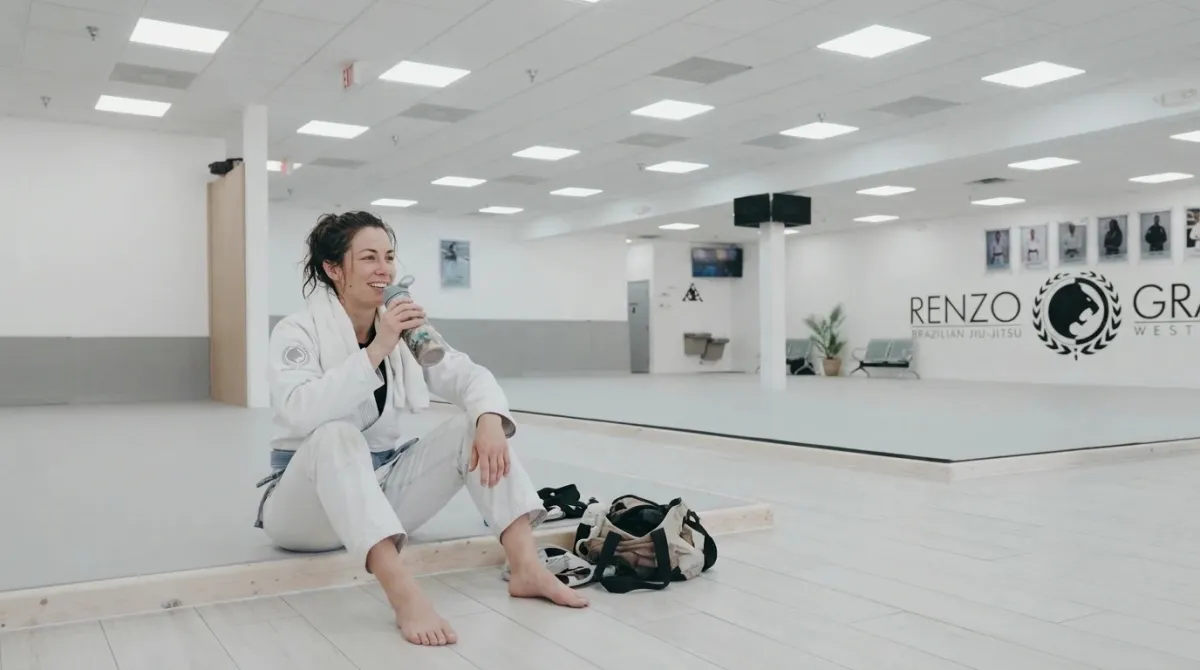
Many people walk into their first jiu-jitsu class hoping to get fitter, lose some weight, or both. That is a great reason to start, as long as expectations stay honest. Jiu-jitsu is a demanding, full-body activity, and for many students it makes exercise feel like play. This article explains what training offers for fitness, what it cannot promise and how to build habits that last.
Can jiu-jitsu help with fitness?
Yes, jiu-jitsu can support fitness because it asks your whole body to work: legs, hips, core, back, arms and grip all take part in every round. It also challenges your heart and lungs, your balance and your flexibility, while you solve problems with a partner. Many students find that this variety keeps them coming back more reliably than a plain workout.
At the same time, every body is different. Results depend on how often you train, how you eat, how you sleep, your health history and many other factors. Our academy does not promise a specific amount of weight loss or any exact result. What we can say is that regular training is a fun way to stay active.
What muscles and skills does it train?
Jiu-jitsu trains the body in a balanced way, rather than isolating one muscle at a time. Hip escapes, bridges and stand-ups work your legs and glutes. Framing and pushing work your shoulders and chest. Holding positions builds core strength, and grips train your forearms.
Here are some of the physical qualities that improve with consistent practice:
- Stamina. Longer rounds teach your body to recover while still working.
- Strength endurance. You hold positions and move another person for sustained periods.
- Mobility and flexibility. Hips, spine and shoulders move through useful ranges.
- Balance and coordination. Changing positions teaches body awareness.
- Mental focus. You think while your body works, which makes time pass quickly.
For ideas on getting your body ready, read our conditioning guide and the mobility routine.
Will jiu-jitsu make me lose weight?
Jiu-jitsu can be one part of a healthy lifestyle that may include weight changes, but it is not a guaranteed way to lose weight. Weight depends on energy balance over time, which means both what you do and what you eat. A class burns energy, but how much varies a lot from person to person and from class to class.
Avoid anyone who promises you a number. Healthy changes are usually gradual and personal, and the scale is only one measure. Many students notice other results first, such as better sleep, steadier energy, stronger posture or simply feeling more capable. If weight is a goal, talk with your doctor or a registered dietitian about a plan that suits your health.
What does nutrition have to do with it?
Training and food work together. If you train hard but eat in a way that leaves you tired or hungry, your performance and mood suffer. If you eat well, you will have energy to enjoy class and recover afterward. We cannot give personalized diet advice, but you can read general ideas in our article on jiu-jitsu nutrition for athletes.
Some simple principles are:
- Drink water through the day, not just during class.
- Do not train on an empty tank if it makes you dizzy.
- Choose meals that you enjoy and can keep up.
- Avoid extreme crash diets, especially when you train.
For anything specific to your health, see a qualified professional.
How often should you train for fitness?
Train as often as you can maintain comfortably, and increase slowly. For many beginners, two or three sessions a week is a realistic place to begin, and some prefer fewer. Consistency over months matters more than a heroic week followed by exhaustion. Our guide on how often beginners should train goes into detail.
Also plan rest days. Your body gets stronger during recovery, not during the hard session itself. Good sleep and sensible scheduling protect you from burnout, as discussed in recovery and sleep for BJJ athletes.
What if you are out of shape right now?
Start where you are. Jiu-jitsu is a way to get in shape, not something you need to do first. The warm-up and drills can be scaled, and you can rest whenever you need to. Tell the instructor about injuries or concerns, and go at a pace that feels safe.
In our classes we often see new students apologize for being tired in the first week. There is no need. Every experienced student remembers being there, and the team is used to welcoming people at every fitness level. If you have a health condition, check with your doctor before beginning any new activity.
How is it different from a gym workout?
Jiu-jitsu adds a skill, a partner and a puzzle to exercise. A treadmill session repeats the same motion, but a round of drilling or rolling keeps changing, so your mind stays engaged. For many people, that makes it easier to keep going week after week.
Training with partners also brings accountability. When someone expects you at class, you are more likely to show up. The community can be as motivating as the exercise itself, which is one reason many students stay for years.
Can women and older adults use jiu-jitsu for fitness?
Yes. Jiu-jitsu can be adapted for different ages, bodies and goals. We run a women's program with classes designed for comfort and respect, and our Tatame 40+ and Tatame 50+ programs help mature students move with confidence. See our guides on BJJ for women and starting jiu-jitsu after 40 for more.
Remember to keep your pace honest. Strength and flexibility improve gradually, and the best plan is the one you can enjoy over time.
How can you set realistic goals?
Choose goals about behavior rather than numbers. For example, "attend twice a week for a month" or "learn one escape and one sweep" are things you can control. Measurable habits create progress without pressure.
A few ideas:
- Put your classes in your calendar like appointments.
- Pack your bag the night before.
- Track how you feel after each class, not only how you look.
- Celebrate small wins, such as a longer round without stopping.
- Take rest days seriously.
If you ever feel pain beyond normal soreness, stop and ask your instructor or a health professional. Our article on how to avoid injuries in jiu-jitsu offers more guidance.
What mistakes should you avoid when training for fitness?
The most common mistake is doing too much too soon. Enthusiastic new students sometimes train every day in the first two weeks, then stop because of soreness, a minor injury or simple exhaustion. A steadier rhythm builds fitness without the crash.
Another mistake is treating every round like a race. Rolling at maximum effort all the time raises the risk of injury and teaches little. Mix hard rounds with calm, technical ones, and let your coach guide the intensity. Finally, do not compare your body or progress with anyone else. Different people start from different places, and the only fair comparison is with your own first week.
Ready to find out how it feels?
The best way to learn whether jiu-jitsu suits your fitness goals is to try it. Our coaches will guide you through each step and keep the pace comfortable. You do not need experience, special gear or a certain level of fitness.
See the adults program and the class schedule, then reserve your free trial class at Renzo Gracie West Boca Raton in Boca Raton. Bring water, wear comfortable clothes and come as you are.
Perguntas frequentes
How many calories does a jiu-jitsu class burn?
It varies widely depending on the person, the class and the intensity, so there is no reliable single number. Focus on training consistently and how you feel instead of counting on a specific figure.
Do I need to be fit before I start?
No. Jiu-jitsu is a way to build fitness, and the warm-up and drills can be scaled to your level. Rest when you need to and tell the instructor about any concerns.
How often should I train to see results?
Results differ by person. Many beginners start with two or three classes a week and add more only if it feels sustainable. Consistency over months matters most.
Should I change my diet when I start?
Eating well supports training, but personal diet advice should come from a doctor or registered dietitian. Our nutrition article offers general ideas about eating and drinking for training.

 Portuguese