
Jiu-Jitsu Nutrition: Eating and Drinking for Training
Jiu-jitsu nutrition is about steady energy, good hydration and recovery that fits your life. Eat a light meal a couple of hours before class, drink water all day, and have a balanced meal afterward. Every body is different, so check with a doctor or registered dietitian for personal advice.
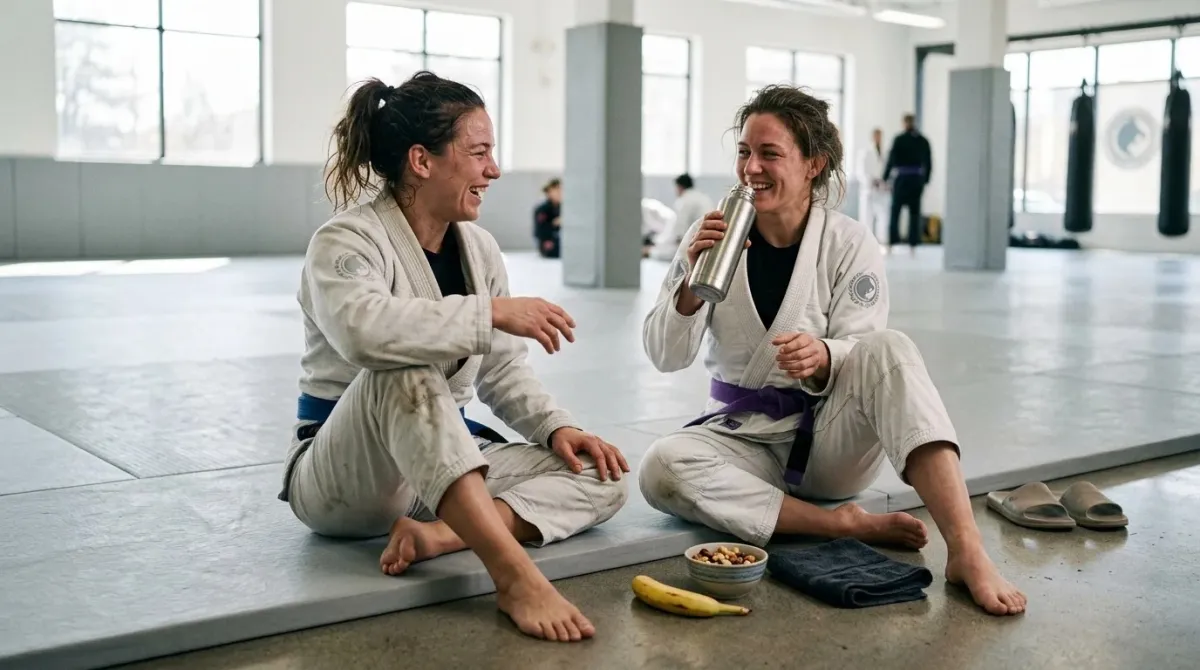
Training changes how you think about food. After a few weeks on the mat, most students notice that what they eat affects how class feels. Jiu-jitsu nutrition does not need to be complicated, and you do not need a special diet. A few steady habits go a long way.
What is jiu-jitsu nutrition?
Jiu-jitsu nutrition is simply eating and drinking in a way that supports your training, energy and recovery. It means regular balanced meals, enough fluid and smart timing around class. There is no single perfect diet, and the best plan is one you can follow comfortably for years.
Because jiu-jitsu alternates short bursts of effort with long stretches of tension, your body uses both quick and steady energy. Carbohydrates, protein, healthy fats and plenty of fluids all play a role. The goal is to feel steady, not stuffed or starving.
In our classes we see students of every size and background. What they share is that regular, simple habits make training more enjoyable. Fancy plans are optional.
What should you eat before class?
Before class, eat a light, familiar meal or snack about two hours ahead, with carbohydrates for energy and a bit of protein. Examples include oatmeal with fruit, a turkey sandwich or yogurt with granola. Avoid heavy, greasy or very spicy foods right before you step on the mat.
If you train early in the morning, try something small, like a banana or toast. If your class is late in the day, plan an afternoon snack so you do not arrive empty. Notice how your body responds and adjust.
Rolling with a full stomach can be uncomfortable, and so can training with none. Experiment gently, keep a few notes and stick with what works for you.
How important is hydration?
Hydration is very important in jiu-jitsu, because training in a gi makes you sweat and South Florida's warm weather adds to it. Drink water through the day, sip before and during class and replenish afterward. Start hydrating early, instead of trying to catch up in the final minutes.
- Carry a water bottle and keep it at the edge of the mat.
- Drink small amounts regularly rather than a large amount at once.
- Replace fluids after class, especially after long or intense sessions.
- Watch for dizziness, headache or unusual fatigue, and stop if they appear.
Some people choose drinks with electrolytes after very sweaty sessions. Whether you need them depends on your body and your health. Ask your doctor if you are unsure, especially if you have blood pressure or kidney concerns.
What should you eat after training?
After training, aim for a balanced meal or snack with protein and carbohydrates, along with fluids. This combination supports your muscles and energy as you recover. Examples include chicken with rice and vegetables, eggs with toast and fruit, or a yogurt bowl with berries.
You do not need to eat immediately after the final bow, but try to have something within a couple of hours. If dinner is late, a small snack can bridge the gap. Pay attention to hunger and fullness cues.
Recovery is also about sleep and rest, not just food. A balanced meal helps, but it works best alongside good sleep and gentle movement between classes.
Do you need special diets or supplements?
Most students do not need special diets or supplements to train jiu-jitsu. A balanced eating pattern with a variety of foods covers the basics for many people. Be cautious about trends, powders and big promises. Ask a doctor or registered dietitian before adding anything new.
Social media is full of competitors sharing extreme routines. Remember that they may have different goals, genetics and professional support. What works for a tournament athlete may not be right for a beginner who trains a few times a week.
If you have allergies, medical conditions or take medication, personalized advice matters. We teach jiu-jitsu, and we leave nutritional guidance to qualified professionals.
What about kids and teens?
Kids and teens need regular meals and snacks to fuel growth and activity. Offer a small, familiar snack an hour or two before class, plus water, and avoid sugary drinks or heavy meals right before training. Keep the focus on enjoying food and feeling good, not on body size.
Parents of young athletes should be especially careful about weight talk. Children are still growing, and extreme diets or pressure around size can do harm. If a child has questions about food or weight, speak with a pediatrician.
Learn more about our youth classes on the Juniors program and Teens program pages. The parents page offers further guidance for families.
How should you handle tournament weekends?
On tournament weekends, stick with familiar foods and routines. Eat balanced meals, drink water and pack snacks you already know agree with you. New foods and big changes can upset your stomach at the worst time. Plan ahead, so you are not searching for food at the last minute.
If you are close to a weight limit, talk to your coach and a medical professional well in advance. Extreme or last-minute methods can be unsafe. Competing near your natural weight is a simple, sensible choice for most beginners.
Competitors can read more on the competition team page.
What nutrition mistakes do beginners make?
Common nutrition mistakes for jiu-jitsu beginners include skipping meals before class, eating a very large meal right before rolling, relying on sugary drinks for energy and copying extreme routines from social media. Simple, regular eating and steady hydration usually work better than any dramatic plan.
- Training on an empty stomach and then feeling dizzy or weak.
- Drinking very little water during the day, then gulping it down in class.
- Trying a new food or supplement on the morning of a tournament.
- Skipping a post-class meal because you are tired.
If you notice that you often feel unwell during class, pay attention to your routine and talk with a professional. Small adjustments to timing and portions can change how training feels.
How can you build habits that last?
To build lasting jiu-jitsu nutrition habits, keep it simple: prepare a few easy meals, pack snacks, carry water and listen to your body. Small, repeatable choices matter more than perfect days. Be patient with yourself and adjust as your schedule changes.
- Choose two or three go-to pre-class snacks.
- Keep a water bottle in your gym bag.
- Plan one balanced meal after class.
- Sleep well and rest between sessions.
Healthy habits also make training more fun. When you feel energized, you can focus on technique and enjoy time with your partners.
Ready to train?
If you are ready to put these habits to work, join a class at Renzo Gracie West Boca Raton. A free trial class lets you meet the instructors, feel how training affects your energy and ask any questions. Adults can start with the adult program.
Book your free trial class and check the class schedule to plan your meals around it. We are glad to welcome you in Boca Raton.
Frequently asked questions
What should I eat before jiu-jitsu class?
Most people feel best with a light meal or snack about two hours before class, with carbohydrates and a little protein, such as oatmeal with fruit or a sandwich. Avoid heavy, greasy foods right before training. Choose familiar foods and notice what feels comfortable for your body.
How much water should I drink for training?
Needs vary by person, size, weather and effort. Sip water through the day, drink before and during class, and replace fluids afterward. In hot South Florida weather, pay extra attention. If you have medical concerns, ask your doctor for personal guidance.
Do I need supplements for jiu-jitsu?
Most beginners do not need supplements, and a balanced diet covers the basics for many people. If you are thinking about supplements, talk with a doctor or registered dietitian first, especially if you have health conditions or take medication.
What should kids eat before class?
Children usually do best with a small, familiar snack an hour or two before class, plus water. Avoid sugary drinks and heavy meals right before training. Parents with questions about a child's nutrition should speak with their pediatrician.

 English