
What Parents Should Look for in an After-School Program
Esta página ainda não foi traduzida; mostrando a versão em inglês.
When choosing an after-school program, look for safety, qualified and caring staff, a clear daily structure, good communication with parents and activities your child enjoys. Visit in person, ask direct questions and watch how adults speak to children. The best program is one where your child feels safe, busy and happy.
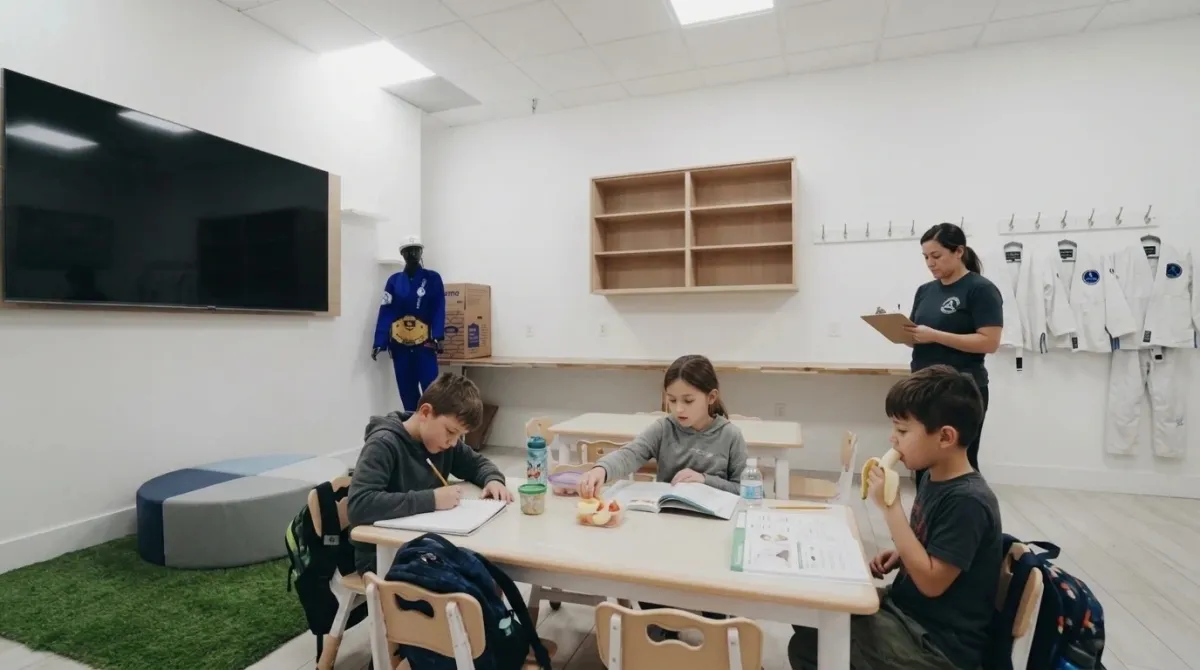
The hours between the last school bell and dinner are some of the most important of a child's day. A good program turns them into time for growth, friendship and healthy movement. A weak program turns them into waiting. This guide offers a practical checklist to help you choose with confidence.
Why do after-school programs matter?
After-school programs matter because they give children a safe, structured place between school and home. A good one provides supervision, activity and friendship while parents are working or managing other responsibilities.
The quality of those hours shapes a child's habits. Time spent in unstructured screen use is very different from time spent moving, learning a skill or playing with peers. Many families find that the right program also reduces the daily scramble of logistics.
If you want to see how one activity fits the afternoon, read our post on after-school jiu-jitsu in Boca Raton.
What safety and supervision questions should you ask?
Ask first about safety. How many adults supervise each group? How do they track who arrives and who leaves? What happens if a child is sick or hurt? Who is allowed to pick up your child, and how is that verified?
A short checklist helps:
- Clear check-in and pickup procedures.
- Reasonable ratios of staff to children.
- Staff who know children's names and needs.
- A plan for emergencies and first aid.
- Clean, well-maintained facilities.
Do not be shy about asking for details. A good program will welcome your questions and answer plainly.
How do you evaluate the staff?
The staff are the heart of any program. Watch how they speak to children, whether they get down to eye level and how they handle conflict. Warm, patient adults who still keep order are the ones you want.
Ask about experience and training. How long have they worked with children? How do they manage behavior without shaming? Do they communicate with parents when something happens? Their answers reveal their approach.
Trust your instincts during a visit. If you feel uneasy, keep looking. Your child's comfort around the adults matters more than any brochure.
What should the daily structure look like?
A good program has a rhythm: arrival, snack, homework or quiet time, active play and a specific activity. Children thrive when they know what comes next, and structure also helps parents plan.
Look for a balance between physical movement and calm time. Children who sit all afternoon get restless, and children who run all afternoon get tired and cranky. Variety keeps everyone engaged.
Ask how the program handles children with different needs. A flexible, kind approach is a sign of quality. Our inclusive program page describes how we welcome different learners in our own classes.
How do activities like jiu-jitsu fit in?
Activities such as jiu-jitsu can give an afternoon a focus: a skill to learn, a goal to work toward and a group of friends to share it with. The physical movement helps children release energy after hours of sitting at school.
Our After-School program is designed with this in mind. Check the page for current details on format and what is included, since those can change.
We also keep children's classes grouped by age, with clear rules about respect, safety and listening. That structure supports the daily routine rather than disrupting it.
What about communication, cost and logistics?
Good programs communicate clearly. Ask how they update parents, how you can reach the staff and how they handle questions or concerns. A simple, reliable channel saves a great deal of stress.
On cost, compare what is included: supervision, snacks, activities, transportation. Rates and availability can change, so ask for current information directly. For our own academy, the pricing page and the team can help.
Finally, check logistics: location, pickup times, holiday schedules and how the program handles sick days. A program that fits your real life is worth more than one that looks perfect on paper.
What red flags should you watch for?
Red flags include unclear safety procedures, staff who seem stressed or unfriendly, children left to wander and a lack of answers to simple questions. A program that avoids visits or discourages parent involvement deserves caution.
Another warning sign is a place that promises too much, such as guaranteed results in grades or behavior. Quality programs are honest about what they can do and what depends on the child and family.
If your child consistently dreads going, listen. Sometimes it is a passing phase, but sometimes it is a sign that the fit is wrong.
How can you involve your child in the decision?
Children are more likely to thrive in a program they helped choose. Visit together, let your child look around and ask what they notice. Pay attention to whether they smile, whether they seem comfortable around the staff and whether they can picture themselves there.
Ask your child simple questions after a visit: What did you like? What felt strange? Who seemed friendly? Their answers often highlight things you missed, such as a loud room or a warm teacher. Even young children can offer useful clues.
Be honest about trade-offs. A program with a great activity may have a longer drive, and a convenient program may have fewer options. Talk through the choice together so your child feels heard.
How do you ease the transition into a new program?
Starting something new can be stressful, so plan a gentle landing. Visit before the first day, meet the staff and explain the routine. Let your child bring a familiar item, such as a water bottle or a favorite snack, to feel at home.
Stay in touch with the staff during the first weeks. Ask how your child is doing, what they enjoy and where they struggle. Small adjustments in the early days can prevent bigger problems later.
Give it time. Many children need two or three weeks to settle. If after a fair trial your child is still unhappy, look for the cause together and consider another option without blame.
What role does physical activity play?
Physical activity is one of the most valuable parts of an afternoon. After hours at a desk, children need movement to release energy, improve mood and sleep better at night. A program that includes meaningful physical activity supports both body and mind.
Not every child loves team sports. Activities like jiu-jitsu offer an alternative that rewards effort and technique without a bench or a scoreboard. Each child participates fully and progresses at their own pace.
For the broader picture of how movement supports children, see our article on kids jiu-jitsu in Boca Raton.
What does a good pickup routine look like?
A good pickup routine is simple and secure. Parents should know exactly when and where to arrive, who will release the child and what identification is needed. Staff should confirm each child's departure and keep a record.
Ask what happens if you are running late, and make sure the policy is reasonable and kind. Life happens, and a program that responds with understanding, within clear rules, is one you can trust.
How can you try our program?
Visit the academy, watch a class and talk to the instructors. A free trial class lets your child experience the environment, and you can see how the afternoon rhythm works. Review the schedule and reserve through the free trial page.
If you have questions first, use the contact page. We are glad to help families choose what is best for them, even if it turns out to be another option.
Perguntas frequentes
What age do after-school programs serve?
It varies by program. Check the After-School page and ask the team for current age ranges and formats.
Should my child do homework at the program?
Some families value built-in homework time, while others prefer to do it at home. Ask how each program handles it and choose what suits your child.
How many days a week is best?
It depends on your child's energy and your schedule. Start with a manageable number of days and adjust as you learn how your child responds.
Can my child try before enrolling?
Many programs offer a trial or visit. We offer a free trial class, and you can book it on the free trial page.

 Portuguese