
Starting Jiu-Jitsu as a Woman Over 30
Esta página ainda não foi traduzida; mostrando a versão em inglês.
Starting jiu-jitsu as a woman over 30 is common and very doable. You do not need experience, flexibility or a perfect schedule. Begin with a trial class, train with other women, move at your own pace and expect progress to come from steady practice. Many women find it is the best decision they made for themselves.
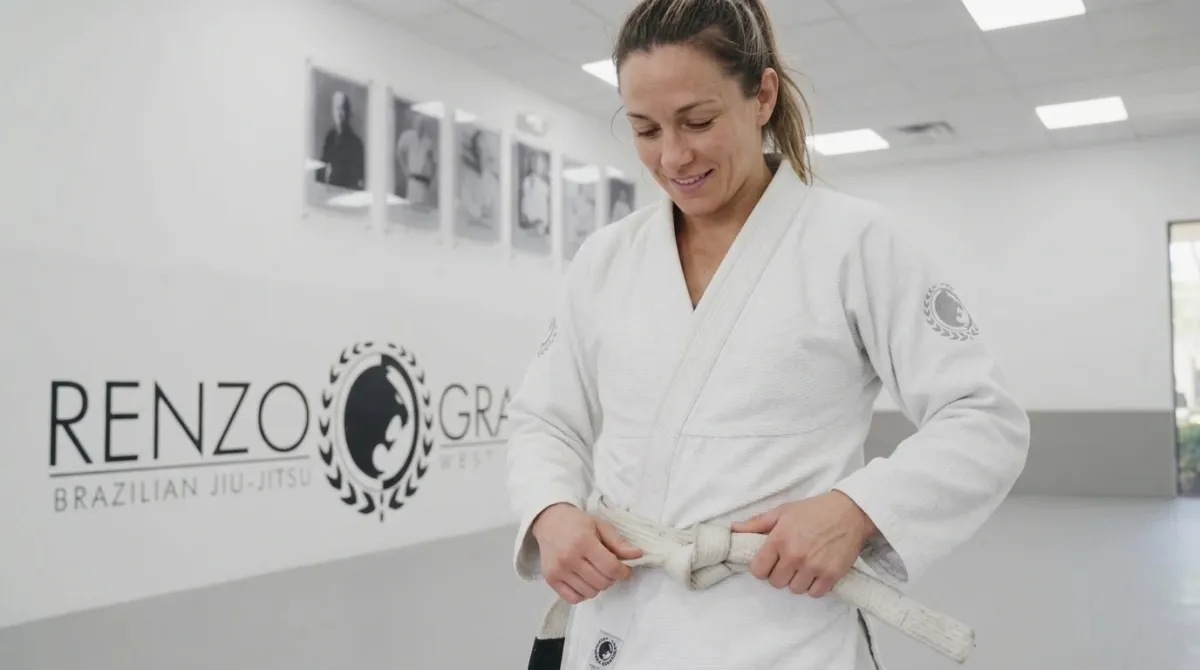
If you are reading this and thinking you are too old, too busy or too out of shape, you are in good company. Many of the women who train with us began in their thirties, forties and beyond, often while juggling jobs, children and everything else. Here is a gentle roadmap for taking that first step.
Is it too late to start jiu-jitsu after 30?
It is not too late. Many women begin in their thirties and keep training for decades, because jiu-jitsu rewards patience and technique more than youth. Your body has years of experience moving, and your mind may be more focused than ever.
The goal is not to compete with twenty-year-olds. It is to learn something new, move well and enjoy the process. Progress comes at your own speed, and nobody expects you to keep up with the fastest person in the room.
If you want a longer look at starting later in life, our guide on starting jiu-jitsu after 40 speaks to many of the same questions.
What fears do women often have at the start?
The most common fears are looking foolish, being the weakest person, getting hurt and having no time. All of them are understandable, and all of them can be managed with the right setting and a realistic plan.
Here is how they often play out on the mat:
- Looking foolish: everyone starts clumsy, and beginners are supported.
- Being the weakest: technique matters more than strength, and partners adjust.
- Getting hurt: good classes teach tapping and control from day one.
- No time: even two short sessions a week make a difference.
Say your fear out loud to the instructor. It is easier to manage when someone knows about it.
How do women's classes work?
In our women's program, women train with women. The classes follow the same structure as other beginner classes, with a warm-up, technique and drilling, and the room tends to be friendly and encouraging.
Training with other women helps many students relax, especially at the beginning. Partners share similar concerns, trade tips and often become friends outside the academy. It is also a place where questions about modesty, uniforms and comfort are welcome.
Check the class schedule for the sessions that suit you. If you would like to understand the first visit, read our first class guide.
What should you wear and bring?
For your first class, wear comfortable athletic clothes: a fitted top or rash guard and leggings or shorts underneath. Avoid jewelry, hair clips with sharp edges and anything with zippers. Tie long hair back securely.
Bring a water bottle and a towel, and wear sandals to walk off the mat. If you are unsure about the uniform, ask the team in advance. You can borrow or buy one later, and you do not need to purchase anything before trying a class.
Our guide on how to choose a BJJ gi will help when you are ready to buy.
How do you fit training around work and family?
Most women start with one or two classes per week and build from there. Look for a regular slot that you can keep even during busy weeks. A short, steady habit beats an ambitious plan that falls apart in a month.
Some practical ideas:
- Choose class times that match your calendar, not your ideal calendar.
- Pack your bag the night before.
- Tell your family your training days so they can plan around them.
- Forgive yourself for a missed week and return without guilt.
If your children are also interested, they can train in their own classes at the academy. Parents and kids each have a class designed for them, so everyone can grow in their own space.
What about injuries, hormones and energy?
Everyone's body is different, and women over 30 may face a range of conditions, from old injuries to changing energy levels. We encourage you to talk with your doctor before starting a new physical activity, especially if you are pregnant, postpartum or managing a health issue.
Tell the instructor about anything that affects your training. Techniques and intensity can be adjusted, and partners can be reminded to take it easy. Listening to your body is a skill that jiu-jitsu teaches well.
Our article on how to avoid injuries in jiu-jitsu offers practical habits for staying healthy on the mat.
What can you expect in the first six months?
In the first six months you can expect to learn the language of positions, build basic fitness and feel at home on the mat. You will probably have days when everything clicks and days when nothing does. Both are part of the process.
You may notice better posture, sturdier legs, a calmer mind and new friendships. Do not measure yourself against others. Measure yourself against the person who first stepped through the door.
Belts and stripes will come in time. If you are curious, our belt system guide explains how it all works.
What are the benefits women often notice first?
The first benefits are often small and personal. Women tell us they sleep better, feel stronger when carrying groceries or children and look forward to a part of the week that belongs only to them. The mat becomes a place where they are a student, not a manager, parent or employee.
Social benefits arrive quickly, too. Training partners learn each other's names, share stories and cheer for each other's progress. For women who moved to Boca Raton recently or who feel their social circle has shrunk, the academy can become a genuine community.
Physical changes take longer, but they are real. Core strength, balance and flexibility tend to improve gradually. Always remember that the goal is health and enjoyment, and not any particular body shape or weight.
What if you feel behind in the first weeks?
Feeling behind is almost universal. The first weeks involve new vocabulary, unusual movements and plenty of moments when your body does not do what your brain asks. That is normal, and it passes. Focus on one small improvement per class, such as remembering a name or smoothing a movement.
It helps to find a regular partner or two who are happy to drill slowly with you. Instructors can also suggest which classes are best for beginners. Our guide on jiu-jitsu etiquette will help you feel at ease with the unwritten rules.
If you ever feel overwhelmed, pause, drink some water and watch for a minute. Nobody will mind, and you will probably find that the other women in the room have felt exactly the same.
What are the best habits for the first month?
The best habits are simple: attend consistently, arrive a few minutes early, drink plenty of water and ask one question per class. Keep expectations small. Your only job in month one is to learn the rhythm of the room and enjoy it.
Write down one thing you learned after each class. Within a month you will have a list of small wins that reminds you how much you have grown. Celebrate it with a friend or family member who supported your decision.
How can you start in Boca Raton?
The easiest way is to book a free trial class at Renzo Gracie West Boca Raton. Come with your questions, your nerves and your water bottle, and we will take care of the rest. You can reserve through the free trial page and tell us your goals.
There is no pressure to commit. Many women say they wish they had started sooner, and we would love to help you take that first step.
Perguntas frequentes
I have never exercised regularly. Can I still start?
Yes. Classes are scaled for beginners, and you can rest whenever needed. Start with a trial class and tell the instructor about your experience.
Will I train with men?
In our women's program, women train with women. Check the schedule and ask the team about the current formats.
How often should I train as a beginner?
Many beginners start with one or two classes per week. Our training frequency guide explains how to build a rhythm that suits your life.
Do I need to be flexible?
No. Flexibility improves with training, and beginner movements are taught gradually. Do not wait to become flexible before trying a class.

 Portuguese