
How to Wash and Care for Your BJJ Gi
Wash your gi after every class, ideally right away, with a gentle detergent and a care-label temperature. Avoid heavy bleach and high heat, which can weaken fibers and shrink the cotton. Air dry or use low heat, and never leave a damp gi in your bag. A clean gi protects your skin and your training partners.
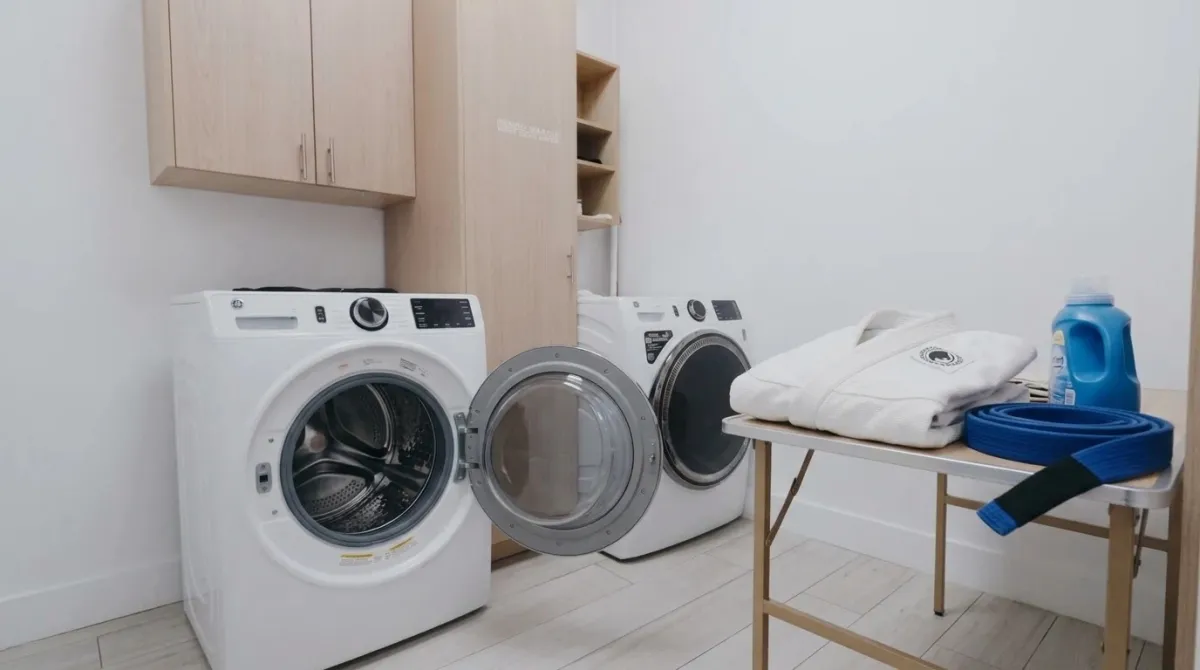
A gi absorbs sweat, mat dust and skin oils in every class. That is normal, but it also means the uniform needs consistent care to stay fresh, last longer and keep you and your training partners healthy. This guide covers how to wash your gi, how to dry it, how to deal with odor and what to do when you would rather hand the job to someone else.
How often should you wash your gi?
Wash your gi after every single class. Sweat and bacteria multiply quickly in a damp bag, and a gi that sits overnight can develop odor that is difficult to remove. Clean clothing is also part of good mat manners, and it helps protect everyone's skin. If you train twice in one day, use a fresh gi or at least a freshly dried one for the second session.
Many students keep two or three gis so one is always clean. If you are just starting, one gi is enough as long as you can wash and dry it between classes. Read our guide on how to choose a BJJ gi for tips on fit and fabric.
What do you need before washing?
You need a mild detergent, access to a washing machine and a place to dry the gi. Check the care label on your uniform first, because brands differ. The label tells you the maximum temperature and whether any special treatment is needed.
Before you wash:
- Take the gi out of your bag as soon as you get home.
- Remove the belt, since many people wash it separately or less often.
- Take off any removable patches if the brand recommends it.
- Empty the pockets of anything small, such as tape or hair ties.
- Turn the jacket inside out to protect patches and reduce wear.
How do you wash it step by step?
Wash the gi in a regular machine cycle with a mild detergent, using the temperature suggested on the care label. Cold or warm water is usually safest for cotton gis, because hot water can shrink the fabric more. Use enough water for the load to move freely rather than stuffing the machine.
A simple method:
- Pre-rinse or soak very sweaty gis for a short time in cool water.
- Load the jacket and pants inside out with a normal amount of detergent.
- Choose a cold or warm cycle, following the label.
- Add an extra rinse if the gi feels stiff or smells of detergent.
- Remove it from the machine promptly so it does not sit wet.
Avoid fabric softener, which can leave a coating on cotton and trap odors. Also be careful with heavy bleach, which may weaken fibers and cause yellowing over time. If you want to use a disinfecting product, choose one that is safe for your fabric and follow the instructions.
How do you dry a gi without shrinking it?
Air drying is the gentlest way to dry a gi, and low heat in a machine is a second option. Hang the jacket and pants on a hanger or rack in a ventilated space. Avoid leaving them in direct harsh sun for too long, since it can fade color on some fabrics. If you use a dryer, choose a low setting and take the gi out while it is still slightly damp.
Heat is the main cause of shrinkage. A gi that is a little too small becomes uncomfortable and may raise questions at a tournament, where uniform size rules can apply. Never leave a wet gi in a closed bag or trunk, because the damp, warm environment is ideal for mildew.
How do you remove odor?
Prevent odor first by washing right away and drying completely. If a smell lingers, try an extra rinse, a longer soak in cool water with a small amount of white vinegar, or an enzyme-based laundry cleaner made for sportswear. Test any product on a small area first, and follow the instructions on the label.
Other helpful habits:
- Air out your bag every time you get home.
- Keep your gi in a breathable bag rather than a sealed plastic one.
- Wash your rash guard and towel with the same care.
- Clean your water bottle and the inside of your bag from time to time.
If an odor does not go away after repeated washes, the fabric may be worn out. At that point it may be time to replace the gi.
What about the belt?
Belts are often washed less frequently than the gi, and some students follow a tradition of not washing them at all. For hygiene, wash your belt if it is visibly dirty, has a smell or has been exposed to something unpleasant. Wash it gently by hand or in a mesh bag on a cool cycle, and air dry.
Whatever you decide, keep it tidy and tied properly in class. A belt carries the story of your training, so treat it with care.
How do you handle patches and stains?
Treat stains as soon as possible, and avoid scrubbing hard on patches. For blood or sweat stains, rinse with cool water, because hot water can set protein stains. Use a mild stain remover that is safe for cotton. Patches can fray if they are washed aggressively, so turning the jacket inside out helps.
If your gi has delicate or expensive patches, check the brand's advice before using harsh products. Do not iron directly over embroidered patches.
Is there an easier option at Renzo Gracie West Boca Raton?
Yes. Our front desk offers a Wash and Dry service for your gi. You hand over your uniform, agree on when it will be ready, ideally before your next class, and pick it up washed, dried and folded. Remove your belt and any patches that should not be washed, and tell the team about stains or delicate items before you hand it over.
Ask the front desk team how scheduling works when you visit. It can be a helpful option for busy students, especially if you train often and do not always have time for laundry.
What other hygiene habits protect you on the mat?
Clean gear is only one part of the picture. Shower soon after training, trim fingernails and toenails, wear sandals off the mat and cover cuts with proper dressings. These habits protect your skin and your partners. For a deeper look, read our article on skin hygiene and mat safety.
Etiquette also matters, as explained in jiu-jitsu etiquette. Arriving with a clean uniform is one of the simplest ways to show respect.
When should you replace your gi?
Replace it when it no longer fits, when seams or knees are worn through, or when odor and stains will not come out. A well-cared-for gi can last a long time, but all uniforms eventually wear out. Look for thin spots on the knees, the collar and the elbows.
If you are still deciding what to buy, compare options in our gi buying guide, and ask your instructor about brands that other students in the academy like. Good care extends the life of any uniform, no matter the price.
Ready to train in a fresh gi?
Come and see how our classes work. Bring a clean uniform or ask the team about borrowing one for your first visit, and arrive a few minutes early. Look at the adults program and the class schedule, then book your free trial class at our Boca Raton academy. Our coaches will be happy to answer questions about gear and laundry along the way.
Frequently asked questions
Can I wash my gi with regular clothes?
You can, but it is better to wash it with similar fabrics and avoid items with zippers or rough surfaces that could snag it. Many students wash gis on their own or with other training clothes.
Will washing in hot water shrink my gi?
Hot water and high dryer heat are the most common causes of shrinking. Use cold or warm water as the care label suggests and avoid high heat when drying.
How do I get the smell out of my gi?
Wash it right away after class, dry it completely and avoid leaving it in a closed bag. For stubborn odor, try an extra rinse or a sportswear-safe cleaner and follow the label instructions.
Does the academy wash gis for students?
Our front desk offers a Wash and Dry service. Ask the team how to schedule it, and remember to remove your belt and tell them about stains or delicate items.

 English