
Gi vs No-Gi: Which Should You Train in Jiu-Jitsu?
Gi jiu-jitsu is trained in a heavy cotton jacket, pants and belt that you can grab and use for control. No-gi is trained in shorts and a fitted shirt, so the game is faster and built on body control. Neither is better. Many students begin with the gi to learn fundamentals, then add no-gi when they are ready.
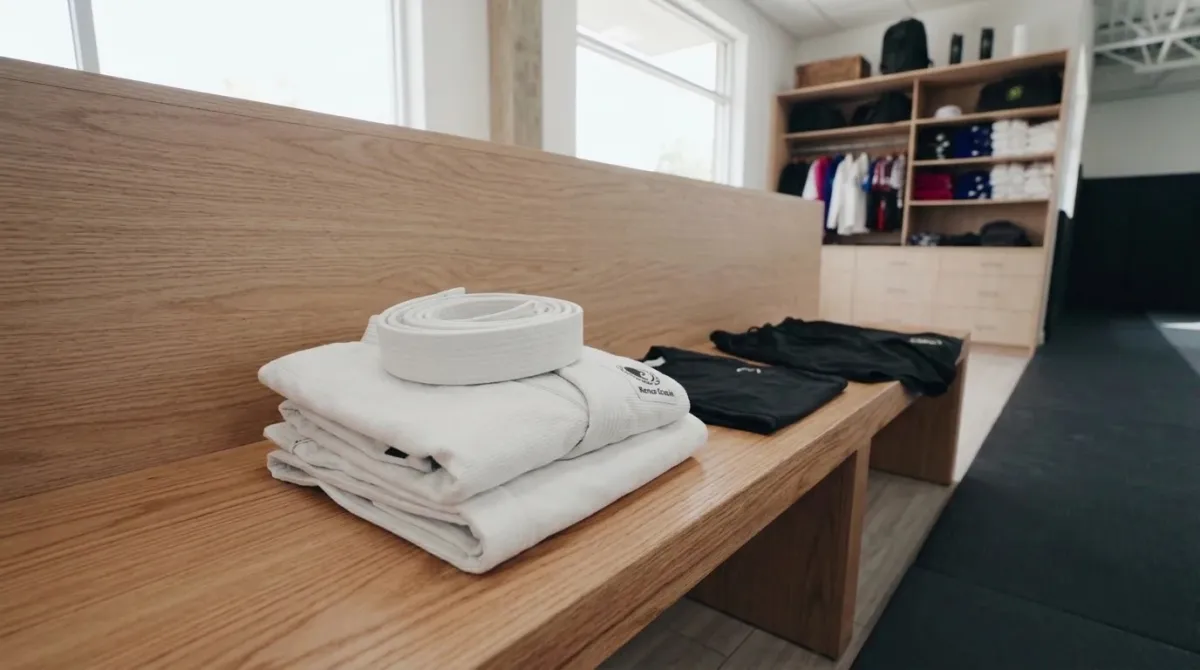
Almost every new student asks the same question in the first week: should I train in the gi or without it? The short answer is that both are real jiu-jitsu, they teach different strengths, and the best choice depends on your goals, your body and what you enjoy. Here is a clear way to decide.
What is the difference between gi and no-gi jiu-jitsu?
Gi jiu-jitsu is trained in a heavy cotton jacket, matching pants and a belt, while no-gi is trained in shorts and a fitted shirt such as a rash guard. The gi gives you fabric to grab, so positions tend to be slower and more controlled. In no-gi there is nothing to hold except the body itself, so the pace is usually quicker and slipperier.
In the gi, sleeves, lapels, pants and the belt become handles. Those grips let you slow an opponent down, set traps and hold a position while you think. Without the gi, you rely on wrist control, underhooks, head position and pressure from your hips and chest. The goals are the same in both: control the position, then finish with a submission or earn points.
If you want the full picture of how the uniform works, read our guide on how to choose a BJJ gi.
Which one is better for beginners?
Most coaches suggest that beginners begin in the gi, because the fabric slows the game down and gives you time to understand positions. The extra grips also make it easier to hold a position without relying on strength or speed. That said, plenty of people start in no-gi and do well, especially if they already come from wrestling.
Think of it as a learning speed. In the gi you can pause inside a position and see how the pieces fit together. In no-gi things change quickly, so you need to react sooner. A new student who is still learning where to put their hands may find the slower pace of the gi friendlier.
Your own comfort matters too. Some people dislike the feel of a heavy jacket or the laundry that comes with it. If that would keep you from showing up, a no-gi start is a perfectly good choice. The best uniform is the one that gets you to class consistently.
What does the gi teach you?
The gi teaches patience, grip fighting and detailed technique. Because the fabric allows you to control a partner from many angles, you learn to build positions step by step, and you learn to defend against grips that are hard to escape. Many students say the gi made them more precise.
Typical skills that grow in the gi include:
- Breaking grips and building your own grips on sleeves and collars.
- Using the lapel and the belt for control, chokes and sweeps.
- Staying calm in long exchanges where nobody is rushing.
- Respecting the details of angles and weight, because a small mistake is easy to grab.
The gi also connects to the tradition of the art. Bowing, tying your belt and keeping your uniform clean are part of the culture, and many students enjoy that structure. For more on the customs of the mat, see jiu-jitsu etiquette.
What does no-gi teach you?
No-gi teaches speed, body control and scrambling. With fewer handles you learn to read the hips, shoulders and head of your partner, and to move quickly when a position starts to slip. It rewards good connection, such as keeping a tight underhook or controlling a wrist.
Skills that grow in no-gi often include:
- Transitions between positions and fast recoveries.
- Wrist and head control instead of sleeve and collar grips.
- Takedowns and wrestling-style entries.
- Handling sweat and slippery skin without losing control.
No-gi can feel more athletic, and it overlaps with other grappling arts. It is also easier to carry in a gym bag, since you only need shorts and a fitted shirt.
How do gear and hygiene compare?
The gi needs more care than no-gi clothing, but both need to be washed after every class. A gi is bulkier, takes longer to dry and can hold odor if left in a bag. No-gi shorts and shirts are lighter and easier to clean. Either way, clean gear is a basic courtesy to your training partners and helps protect your skin.
If laundry is the part that worries you, our front desk offers a Wash and Dry service so your gi can be ready before your next class. Ask the team how it works when you visit. To learn how to look after your own uniform, our guide on washing and caring for your gi covers the basics.
When you buy gear, start small. A student only needs one gi and one set of no-gi clothes to begin, and many academies lend a gi for your first class. Avoid buying expensive items until you know what you like.
How should you choose between them?
Choose based on your goals, your schedule and your enjoyment, and remember that you can change your mind later. The decision is not permanent, and many students end up training both. Ask yourself a few honest questions before you decide.
- Do I want to compete? Some tournaments are gi only, some are no-gi only, and many offer both. Read about preparing for your first tournament if that interests you.
- Do I want self-defense? Both styles teach control, distance and escapes. The gi adds grips on clothing, which is useful to understand, while no-gi trains the body-first control that works with any clothing.
- Do I get uncomfortable in a hot, heavy uniform? If yes, no-gi may feel kinder in Florida weather.
- Do I like slow, technical learning? If yes, the gi may suit you.
- Do I like fast, athletic scrambles? If yes, no-gi may suit you.
No answer is wrong. What matters is that you show up, learn the shared fundamentals and enjoy the process.
Can you train both at the same academy?
Yes, and many students do. Fundamentals such as guard, passing, escapes and submissions are shared between both styles, so time spent in one makes you better at the other. A student who trains both usually notices that the gi improves technical detail while no-gi improves speed and timing.
If you are just beginning, a simple plan is to spend your first few months learning the basics in the gi, then add a no-gi session when you feel steady. Ask your instructor which classes suit your level, and check the class schedule to see what is offered. Our coaches can help you choose the path that fits your body and your goals, because a good plan for one student is not always right for another.
What mistakes should you avoid when picking one?
Avoid treating one style as superior and avoid switching so often that you never build a foundation. Online debates make it sound as though you must pick a side, but real students benefit from both. Another mistake is buying lots of gear before you have tried a class.
Also avoid training through discomfort without telling anyone. If a collar rubs your neck, if a sleeve feels too tight, or if no-gi sweat makes grips slip, mention it to your instructor, who can suggest a simple fix. In our classes we often see new students quietly struggle with a uniform that does not fit, when a small adjustment would have made the class far more fun.
How can you try both at Renzo Gracie West Boca Raton?
The easiest way to decide is to feel the difference yourself. Come to a class, borrow or wear what the team recommends, and notice how the pace and the grips change your game. You do not need experience, and nobody expects you to know which style you prefer on day one.
Look at the adults program to see how classes are organized, and if you are curious about competition, the competition team page explains how students train for events. Then book your free trial class at our Boca Raton academy and tell the instructor that you want to compare gi and no-gi. We will point you toward the class that fits you best.
Frequently asked questions
Should a complete beginner start with gi or no-gi?
Many coaches suggest starting with the gi because the fabric slows the pace and makes positions easier to understand. Still, no-gi is also a fine starting point, especially if you prefer lighter clothing or have a wrestling background. Try a class of each and choose the one that gets you to the academy most often.
Do I need to buy a gi before my first class?
No. Many academies, including ours, can help you with a gi for your first visit, so ask when you book your free trial. Wait until you know you enjoy training before you invest in your own uniform, and then choose a comfortable fit.
Is no-gi more dangerous than gi?
Neither style is automatically more dangerous. Injuries usually come from rushing, poor communication or ignoring pain, not from the clothing itself. In either style, tap early, tell your partner if something hurts and let your instructor know about any injury.
Can I switch between gi and no-gi later?
Yes. Core skills transfer between both, so training one makes you better at the other. Many students begin with the gi and add no-gi after a few months, and some train both every week.

 English