
Recovery and Sleep for BJJ Athletes: Train Hard, Rest Smart
Esta página aún no está traducida; mostrando la versión en inglés.
Recovery is where training turns into progress. Good sleep, steady hydration, balanced meals, planned rest days and gentle movement help your body adapt to jiu-jitsu. Many adults need around seven hours of sleep or more, but needs vary. Listen to pain and fatigue, and see a doctor for injuries or sleep problems.
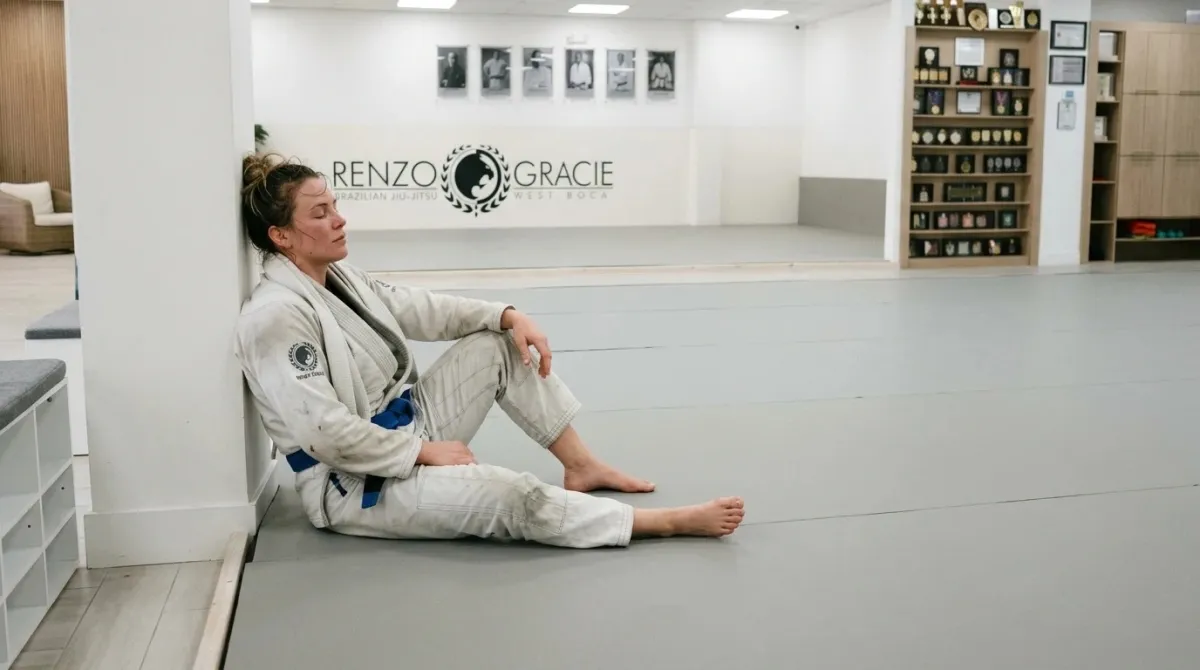
Jiu-jitsu is a sport where you can always do one more round, one more drill, one more class. That enthusiasm is wonderful, but your body only improves when it has time to recover. This article explains the basics of recovery for jiu-jitsu students in plain language: sleep, food, water, rest days and listening to your body. It is general education, not medical advice.
Why does recovery matter in jiu-jitsu?
Recovery matters because training is the stimulus and rest is when your body adapts. Hard classes stress your muscles, joints and nervous system. If you never give them time to settle, you may feel stale, sore or injured, and your technique can suffer. Students who rest wisely often feel sharper and stay on the mat longer in the long run.
Recovery also protects your enjoyment. A tired, irritable student rarely has fun, and fatigue can lead to sloppy movement and poor decisions on the mat. Treating rest as part of the training plan, not a reward you earn only after an injury, helps you stay consistent for years. For general safety habits, read how to avoid injuries in jiu-jitsu.
How much sleep do BJJ athletes need?
Many adults need about seven hours of sleep or more per night, although individual needs vary. Health organizations commonly recommend that adults aim for at least seven hours, and teenagers and children need more. If you wake up unrefreshed, feel foggy at class or crave caffeine to get through the day, you may be short on sleep.
Sleep is when your body does much of its repair work, and your brain organizes what you learned. Many students notice that techniques make more sense after a good night's rest. We cannot give medical advice, so if you suspect a sleep disorder, talk to your doctor.
What are simple habits for better sleep?
Simple routines that you can repeat matter more than complicated tricks. Go to bed and wake up at similar times, keep your room cool and dark and avoid heavy meals or large amounts of caffeine late in the evening. Try to give yourself a short wind-down time away from bright screens.
Some practical ideas:
- Set a regular bedtime on training days.
- Take a warm shower after class to cool down and relax.
- Keep your bag packed the night before so the morning is calm.
- Avoid drinking alcohol as a way to relax, since it can interfere with rest.
- If you train late, allow time to settle before going to bed.
If your schedule is tight, our article on BJJ for busy professionals shares ways to organize your week.
What should you eat and drink for recovery?
Eat regular, balanced meals and drink enough fluids throughout the day. After training, many people like a meal that includes protein, carbohydrates and vegetables, but the best plan is the one that suits your body and preferences. Do not rely on one miracle food or supplement.
Hydration is easy to underestimate, especially in South Florida's warm weather. Sip water through the day instead of drinking a lot at once, and consider how sweaty your sessions are. For general ideas, see our nutrition guide for athletes. For personal advice, speak with a doctor or registered dietitian.
How many rest days do you need?
Most students benefit from at least one or two rest days each week, but it depends on age, health, intensity and life stress. Beginners especially should not train every day, because their bodies are still adapting to new movements and positions. Our guide on how often beginners should train provides a sensible starting point.
A rest day does not have to mean doing nothing. Light walking, gentle stretching and easy mobility work can help you feel better without adding stress. Try our simple mobility routine on a day off.
What is the difference between soreness and injury?
General muscle soreness is common after new or hard training and usually eases in a day or two. It feels like a dull ache spread through muscles. Injury pain tends to be sharper, localized, worse with certain movements or linked to swelling, numbness or a feeling of instability.
When in doubt, stop and get it checked. Tell your instructor about any injury so they can adjust your drills and partners. Training through real pain often turns a small problem into a long one. If symptoms persist, see a doctor or physical therapist.
What are the signs that you need more rest?
Persistent tiredness, trouble sleeping, irritability, loss of motivation, a rising number of small aches and feeling that your performance is getting worse are all common warning signs. Taking a lighter week or a few extra rest days is often a smart response.
Pay attention to these signals:
- Your resting energy stays low for several days.
- You dread classes that you normally enjoy.
- You struggle to focus on drills.
- You notice repeated tweaks in the same joint.
- You feel unusually sore for much longer than normal.
If several of these appear together, talk to your coach about adjusting your schedule. Instructors see this pattern often and can suggest lighter drilling rounds or positions that are easier on the body.
What about active recovery?
Active recovery means low-effort movement that helps you feel loose without adding strain. Easy walking, gentle swimming, light cycling and mobility sessions are common choices. The goal is to move, not to exhaust yourself.
Keep the pace comfortable enough to hold a conversation. If a gentle activity leaves you more tired, choose something easier or take a full day off. Our conditioning guide explains how to build stamina without overdoing it.
Does age change recovery needs?
Often, yes. Many students in their forties and beyond find that they need a bit more time between hard sessions, more careful warm-ups and extra attention to joints. That is not a weakness, and it does not mean you cannot train well. It simply means that smart recovery matters even more.
Our Tatame 40+ and Tatame 50+ programs are built with this in mind, and you can read more in starting jiu-jitsu after 40. Women who train may also find that energy changes across the month, so staying flexible with intensity is wise; the women's program is a supportive place to ask questions.
How can you plan recovery into your week?
Treat recovery like a class on your calendar. Decide which days are hard, which are light and which are completely off, and write them down. Then adjust based on how you feel.
A sample approach:
- Mark your training days and your rest days at the start of the week.
- Alternate harder and easier sessions when possible.
- Plan an earlier bedtime on the evening of your hardest class.
- Keep a note of how you feel in the morning after training.
- Take a lighter week when you feel run down.
How can you start training in a sustainable way?
Begin with a rhythm that leaves you energized instead of drained. Our coaches will help you find a pace for your first weeks and will never pressure you to go harder than you want. Tell them about injuries or health concerns before class.
Browse the class schedule, look at the adults program and book a free trial class at Renzo Gracie West Boca Raton in Boca Raton. Bring water and come ready to learn.
Preguntas frecuentes
How much sleep do I need if I train jiu-jitsu?
Many adults need about seven hours or more, but needs vary by person. If you often feel tired, struggle to focus or wake unrefreshed, talk to your doctor about your sleep.
Is it okay to train when I am sore?
Mild muscle soreness is common, and gentle movement or a lighter class is often fine. Sharp, localized or lingering pain is different, so stop and tell your instructor.
Do I need supplements to recover?
Most recovery comes from sleep, regular meals, hydration and rest. If you are curious about supplements, talk to a doctor or registered dietitian first.
How do I know if I am overtraining?
Warning signs include persistent fatigue, poor sleep, loss of motivation and repeated aches. A lighter week or extra rest days can help, and your coach can suggest adjustments.

 Spanish