
Jiu-Jitsu for Stress Relief: Why Students Say It Clears the Mind
Esta página aún no está traducida; mostrando la versión en inglés.
Many students say jiu-jitsu helps them switch off from work and daily worries because the mat demands full attention. Exercise, focus and friendly company are common reasons people feel better after class. Jiu-jitsu is not a medical treatment, so seek professional help if stress or low mood feels heavy.
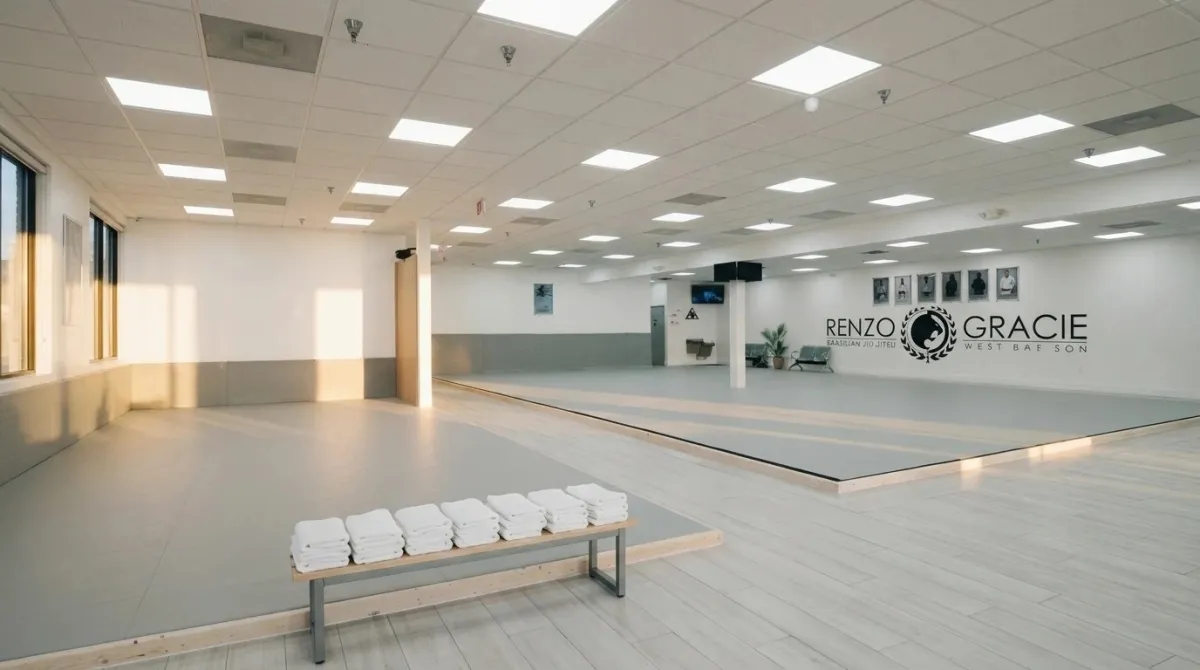
After a long day, the last thing some people want is another demanding activity. Yet many jiu-jitsu students say the mat is where they feel most relaxed. The reasons are simple: a demanding puzzle takes your attention, exercise moves tension out of the body and the people around you are friendly. This article looks at those reasons in everyday terms, without medical claims.
Why do so many students say jiu-jitsu helps with stress?
Many students say it helps because the mat leaves no room for worrying. When a partner is trying to pass your guard, your attention is fully in the present. Emails, deadlines and arguments fade for a while, and many people leave class feeling lighter than when they arrived.
That feeling is personal and not guaranteed. Jiu-jitsu is a physical sport, and it is not a treatment for any medical or mental health condition. Think of it as one healthy habit among many that may help you unwind. If stress is overwhelming, please speak with a doctor or a licensed mental health professional.
How does physical activity play a role?
Regular movement is widely recommended for general well-being, and jiu-jitsu is one enjoyable way to get it. Rolling, drilling and warming up raise your heart rate and use your large muscles. After class, many students notice they feel pleasantly tired and sleep better, though this varies from person to person.
Because the exercise has a purpose and a partner, it often feels less like a chore than a treadmill. You are not counting minutes; you are working on an escape or a sweep. For a deeper look at how training supports your body, read our article on jiu-jitsu and fitness.
What is the mental side of the mat?
Jiu-jitsu demands focus, which gives the mind a break from its usual loops. You solve problems in real time: where is my partner's weight, what is my next move, am I breathing? That absorbing attention is why many students describe the sport as moving meditation, although it is not a formal meditation practice.
You also practice staying calm in uncomfortable positions. When someone is heavy on your chest, panicking wastes energy, while breathing and moving carefully works better. Over months, many students notice that this habit carries over to stressful moments off the mat. It is a skill, trained gradually in a safe environment.
How does the community help?
A friendly group of training partners can be as valuable as the training itself. Sharing effort, laughing about mistakes and encouraging each other builds trust. Many adults say it is one of the few places where they make new friends outside of work.
Respect and etiquette support that environment. Partners greet each other, tap early and look after one another. Our guide to jiu-jitsu etiquette explains the habits that keep the mat welcoming. If you prefer a women-only setting, the women's program gives you a comfortable space to start.
Is it okay to feel nervous at first?
Yes, nerves are normal, and most students remember feeling them. Walking into a new room, wearing a new uniform and being close to strangers can be uncomfortable at first. The best advice is to arrive a few minutes early, tell the instructor you are new and take your time.
Our article on your first BJJ class walks through what happens, so there are no surprises. No one has to roll on day one, and the team will pair you with a patient partner. You are always free to rest or step out.
Can training ever add stress?
It can, if you push too hard or ignore your limits. Overtraining, injuries and comparing yourself with others can turn a stress reliever into another source of pressure. Listen to your body, schedule rest days and keep the mood light.
Some healthy habits:
- Pick a training rhythm you can maintain; see how often to train.
- Sleep well, because tired training feels harder.
- Leave your ego at the door and tap early.
- Talk to your coach when something feels wrong.
- Remember that progress is not a straight line.
If you feel that a lack of improvement is frustrating, our article on breaking through plateaus may help.
What can you do before and after class to unwind?
Small rituals help you transition from work to the mat and back again. Before class, take a minute to breathe slowly and put your phone away. After class, drink water, stretch gently and notice how you feel. Do not rush straight into your next task.
A calm sequence could be:
- Pack your bag the night before so the evening feels easy.
- Arrive early and sit for a minute.
- Focus on one idea in class, such as hip movement.
- Cool down with a gentle mobility routine.
- Have a snack and water, then head home.
These steps are simple, but they help the benefits of class last longer.
What does a relaxed, stress-friendly class look like?
A relaxed class has a clear structure, calm instructions and room to move at your own pace. You warm up, learn one or two techniques, drill them with a partner and, if you choose, finish with a light round. Because everything is explained step by step, you never have to guess what comes next, which in itself removes a lot of pressure.
Tell your instructor how you are feeling that day. If you had a rough day, you might ask to focus on drilling and skip hard rolling. Good partners adjust their intensity to match, and coaches are used to this kind of request. Nobody on the mat is keeping score of your mood.
Does age or experience change the benefits?
People of many ages and backgrounds report that the mat helps them unwind, but the experience is personal. A student in their twenties may enjoy the athletic challenge, while a student in their fifties may appreciate the slower, technical side. Both can find something that suits them.
If you are returning to exercise after a long break, choose a class for your level and be patient. Our Tatame 40+ program is built for mature beginners, and our guide on starting jiu-jitsu after 40 explains how to ease in. The goal is to feel better, not to prove anything.
How do busy people make room for it?
Start small and protect the time. One class a week is better than none, and you can add more as your schedule allows. Treat the session like a meeting with yourself. Our article on BJJ for busy professionals offers practical scheduling ideas.
Who might want to talk to a professional?
Anyone who feels persistently overwhelmed, anxious or low should talk to a qualified professional. Jiu-jitsu can be a positive part of a healthy life, but it does not replace care. Our instructors are not therapists, and we always encourage students to reach out for help when they need it.
If you ever feel unsafe or in crisis, contact local emergency services or a crisis line in your area right away.
How can you try it in Boca Raton?
The best way to find out is to come to a class and see how you feel afterward. You do not need experience, and you can go at your own pace. Our coaches will explain each step and make sure you feel comfortable.
Browse the adults program and the class schedule, then book your free trial class at Renzo Gracie West Boca Raton. Bring water, an open mind and a friend if you like.
Preguntas frecuentes
Is jiu-jitsu a treatment for anxiety or depression?
No. Jiu-jitsu is a sport and a form of exercise, not a medical or psychological treatment. If you are struggling, talk to a doctor or licensed professional. Many students simply enjoy it as a healthy habit alongside other support.
Why does class feel like a break from my day?
The mat requires your full attention, so there is little space left for worries. Combined with exercise and friendly company, many students say they leave feeling lighter. Experiences vary from person to person.
What if I feel anxious before my first class?
That is common. Arrive early, tell the instructor it is your first day and remember that you never have to spar. You can rest or step out at any time.
Can I train if I am very busy?
Yes. Many students start with one class a week and build from there. A realistic schedule that you can keep is better than an ambitious plan you drop.

 Spanish