
Breaking Through Plateaus in Jiu-Jitsu: What Actually Helps
Esta página aún no está traducida; mostrando la versión en inglés.
Every jiu-jitsu student hits plateaus, stretches where progress feels invisible. They usually come from gaps in fundamentals, tired bodies, too much sparring and too little focus. Try narrowing your goals, drilling specific problems, asking for feedback, keeping notes and resting. Patience and curiosity move you forward more than force.
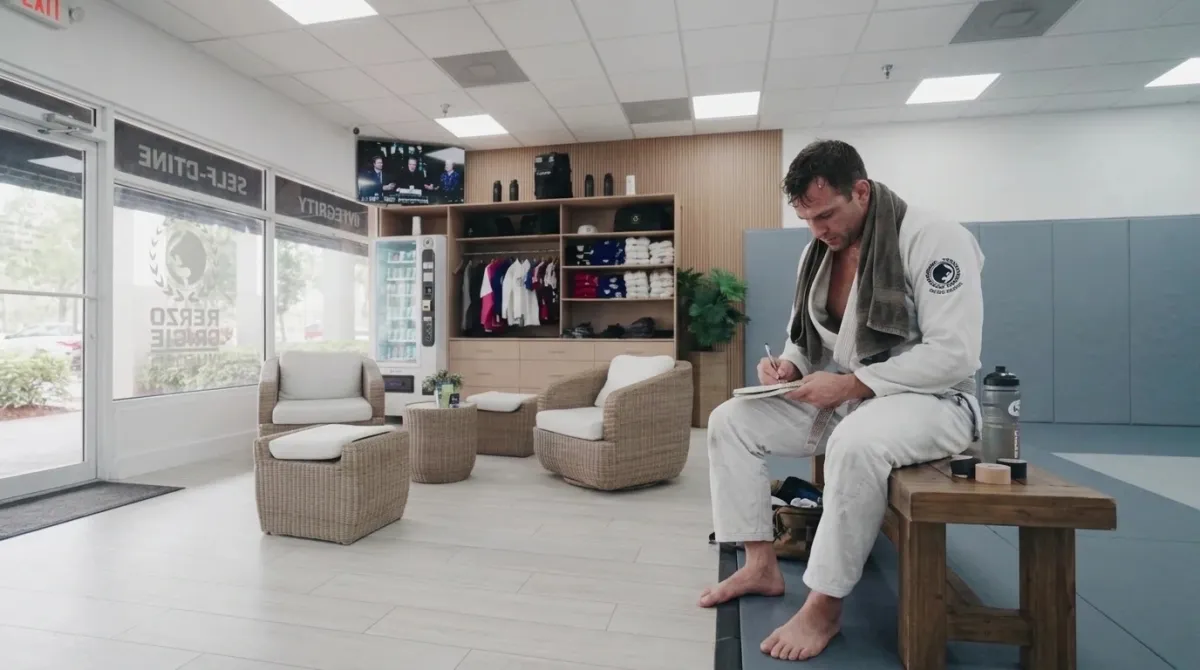
Almost everyone who trains jiu-jitsu for a while hits a point where progress seems to stop. Techniques that worked last month no longer work, partners who used to struggle now catch you and motivation dips. That frustrating stretch is a plateau, and it is a normal part of learning a complex skill. This article shares practical, honest ways to move forward.
What is a plateau in jiu-jitsu?
A plateau is a period when your improvement feels slow or invisible, even though you keep training. You may feel as though you are repeating the same mistakes, or that others are improving faster. It can last weeks or months and often happens just before a leap in understanding.
It helps to know that skill development is rarely a straight line. Your brain organizes information in the background, and sometimes it needs time before the pieces click. Many instructors say that a plateau is a sign that you are about to level up, but only if you keep working with purpose.
Why do plateaus happen?
Plateaus usually have ordinary causes, and most of them can be addressed. Common reasons include missing fundamentals, doing the same routine without focus, fatigue, small injuries, partners who learned your habits and unrealistic expectations.
Look at these possibilities:
- Gaps in the basics. A weak escape or poor posture can limit every advanced move.
- Too much rolling, too little drilling. Live rounds expose problems, but drills fix them.
- Overtraining. A tired body learns slowly.
- Predictable habits. If you always do the same thing, partners adapt.
- Lack of feedback. Without outside eyes, mistakes can stay hidden.
Understanding the cause is the first step toward a solution.
How can you check your fundamentals?
Revisit the basics with fresh eyes. Often the problem is not an advanced move; it is something simple like your posture in guard or your frames in a bad position. Ask yourself which positions you lose most often, then study how to improve them.
For example, if you keep getting pinned, review the mount escape and side control escape. If you struggle to pass, try the knee slice pass with careful attention to hand placement. A few small corrections can change the whole outcome.
Should you ask your coach for feedback?
Yes. A coach sees things you cannot feel, and a short question can save months of confusion. Ask something specific, such as "what is the biggest thing stopping my guard passing?" Specific questions produce specific answers.
Good habits for feedback:
- Ask after class, when the coach has a moment.
- Have one clear problem in mind.
- Listen, then try the advice in your next session.
- Report back on what happened.
- Thank your coach for the time.
Instructors appreciate students who care about the process. If you need extra attention, a private lesson lets you focus entirely on your own game.
How can drilling fix a plateau?
Drilling turns a vague problem into a specific, repeatable task. Pick one problem, such as getting out of side control, and practice it with a cooperative partner, then with light resistance, then in positional sparring. Repetition builds the pathway that you can call upon under stress.
Our article on drilling versus rolling explains how to balance these two modes. A plateau is often a signal to drill more and roll a little less while you consolidate what you know.
What if you are training too hard?
Fatigue is one of the most overlooked reasons for stalled progress. If you push every round to the limit, you may be exhausted, injured or both, and your brain is too tired to absorb technique. Lighter weeks and better sleep can work wonders.
Review your routine in light of recovery and sleep for BJJ athletes and think about whether you need more rest days. Check the guidance in how often beginners should train to see if your schedule is realistic. Sometimes the best way to improve is to do less.
How can notes and a training journal help?
Notes capture details that otherwise vanish within a day. After class, write down one or two things you learned, one thing that went wrong and one question for your coach. Over weeks, you will notice patterns that were invisible in the moment.
A simple format works well:
- Technique of the day and one key detail.
- A position where you struggled.
- A question for the next class.
- How you felt physically.
Reading your notes before training helps you focus. They also remind you how far you have come when your motivation dips.
How do you change your approach without losing your game?
Try changing one variable at a time. You might spend a month working only from the top, or only from guard, or learn a new set of entries from one position. Narrowing your focus reduces overwhelm and gives you something to measure.
Training with different partners also helps. Rolling with someone bigger, smaller, newer or more experienced reveals different challenges. If you find yourself always relying on strength, try a round where you focus on technique and flow. The goal is to be adaptable, not to win every round.
How do you handle the emotional side?
Plateaus can be frustrating and may tempt you to quit. Remember that every experienced student has gone through them, and that progress often returns after a period of apparent stagnation. Be kind to yourself and keep your expectations realistic.
Practical ideas include:
- Celebrate small improvements, such as escaping a position you used to lose.
- Remember why you started and what you enjoy.
- Talk with teammates who are willing to share their experiences.
- Avoid comparing yourself to others.
- Take a short break if you need one, then return gently.
If you want a reminder of the long view, read our article on how long it takes to get a blue belt.
What small experiments can you try this month?
Small experiments make a plateau feel like a project instead of a problem. Pick one position and decide to improve it for four weeks. For instance, spend every class asking how to keep your guard from being passed, or work on one sweep until it feels natural. Write down what you notice after each session.
At the end of the month, review your notes with your coach. You may find that the position feels much calmer, or that you discovered a new question to explore. Either result is progress, because your understanding is growing even when the scoreboard in your head has not moved.
Can a plateau be a sign of injury?
Sometimes. If you feel pain, stiffness or reduced strength, do not try to power through. Let your instructor know, and see a doctor if symptoms continue. Reading how to avoid injuries in jiu-jitsu can help you recognize what to watch for.
How do you get back on track in Boca Raton?
Come to class with a question and a plan. Our coaches are happy to help you diagnose what is holding you back and to suggest a focused way forward. You can also try a different class or training partner to bring fresh energy to your practice.
Explore the adults program and the class schedule. New to Renzo Gracie West Boca Raton? Book a free trial class and let us help you move forward.
Preguntas frecuentes
Why do I feel like I am not improving?
Plateaus are a normal part of learning jiu-jitsu. They can come from gaps in fundamentals, fatigue, lack of feedback or unrealistic expectations. Ask your coach for specific feedback and try focused drilling.
Should I train more or less when I plateau?
It depends. If you are tired or sore, rest may help. If you are rolling a lot and drilling little, add focused practice. Your coach can suggest the right balance.
How long do plateaus last?
There is no set time. Some last weeks and others months. Steady attendance, notes and feedback help you move through them.
Is it normal to want to quit during a plateau?
Yes. Many students feel this way. Talk with your coach or teammates, adjust your goals and give yourself time before deciding.

 Spanish