
Jiu-Jitsu for Shy Kids: How the Mat Helps Quiet Children Open Up
Esta página aún no está traducida; mostrando la versión en inglés.
Jiu-jitsu can be a gentle fit for shy kids because it offers clear routines, small steps and a partner to work with instead of a spotlight. Quiet children do not have to perform or speak in front of the room. They learn by doing, and confidence grows through small, repeated wins.
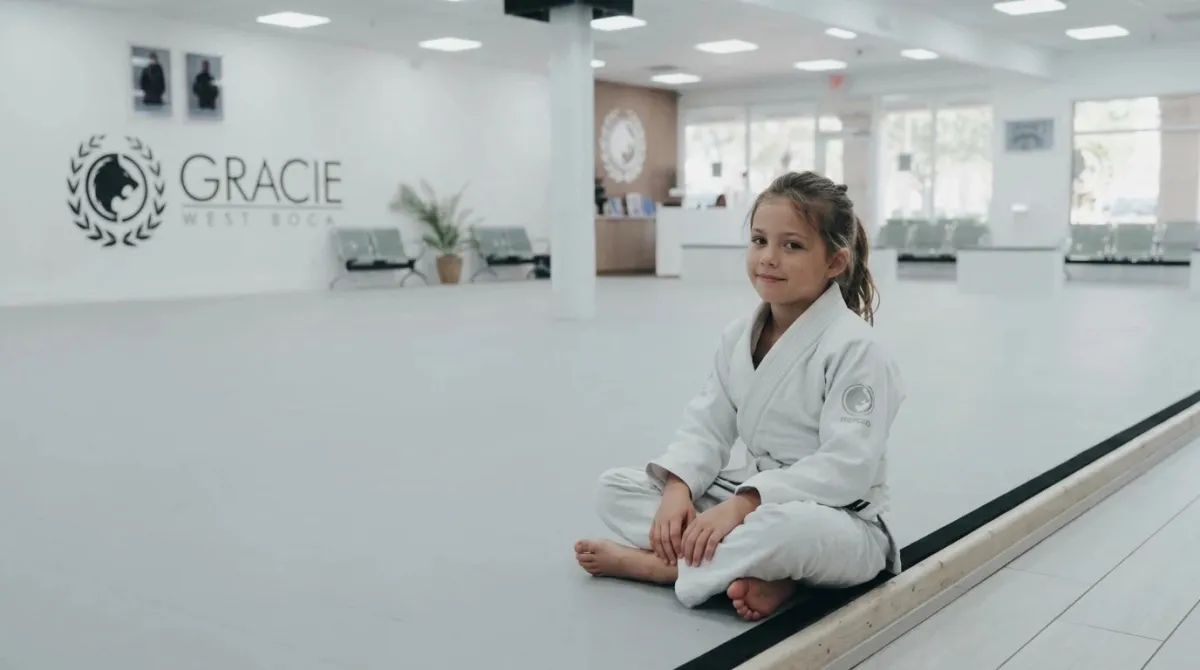
Some of the most rewarding students we meet are the children who arrive holding a parent's hand and looking at the floor. A shy child is not a problem to be fixed. They are a thoughtful child who needs the right setting and enough time. This article explains how a good jiu-jitsu class can be that setting.
Why can jiu-jitsu be a good fit for shy children?
Jiu-jitsu suits shy children because the class is predictable, the instructions are clear and the work happens in pairs. A child who is afraid of speaking in front of others can still take part fully by watching, moving and working with one partner.
The structure matters. Every class follows a rhythm: bow, warm up, learn, practice, close. Shy children often relax when they know what comes next, and the rhythm keeps surprises low.
Our post on how jiu-jitsu builds confidence describes how that confidence tends to grow in small, steady stages.
How is shy different from not interested?
A shy child wants to join but needs time to feel safe. A child who is not interested does not want to join at all. The difference shows in the eyes: a shy child watches with attention, leans forward and may ask questions later in the car.
If your child watches the class closely but will not step on the mat, that is often shyness and not a lack of interest. Give them a visit or two to observe. Many children join on their own once they understand what the room feels like.
If your child clearly says no after a fair try, listen to them. The goal is a happy child, not a child who is forced to attend.
What should parents do before the first class?
Prepare your child with a short, calm description. Say what will happen, who will be there and how long it will last. Avoid promises such as 'You will love it,' because that adds pressure. Try 'We will watch, and you can choose when to join.'
A few small steps help:
- Visit the academy once without a class, if possible, so the space feels familiar.
- Let your child see photos or watch a short part of a class.
- Tell the instructor about your child's temperament before the day.
- Pack a favorite water bottle for a bit of comfort.
You can also check the class schedule and choose a smaller or calmer session if one is available.
How do instructors help quiet kids feel safe?
Good instructors lower the pressure by using gentle language, small groups and warm greetings. They do not call on children to speak. They invite participation and accept a nod or a smile as a yes.
We tend to pair a shy child with a patient, kind partner for the first classes. That partner shows the child what to do and models a friendly tone. Children often learn more from each other than from adults.
Rules help too. Tapping, stopping on request and respecting a partner's space are repeated in every class. When a child knows they can say stop and be heard, they find the courage to try.
What small wins should you look for?
Look for tiny signs of progress. A shy child may first stand at the edge of the mat. Next they may bow with the group, then do the warm-up, then drill with one partner. Each step is a real achievement and deserves celebration.
Eye contact with the instructor, a quiet 'thank you' to a partner or asking for a drink of water on their own are all small wins. Parents sometimes miss them because they are looking for a dramatic change. Quiet children change quietly.
Keep a mental list of these moments. On a hard week, remind your child how far they have come.
How long does it take for a shy child to open up?
There is no set timeline. Some children relax within a few classes, and others need a couple of months of steady attendance. Regular practice helps more than occasional visits, because familiarity is what lowers anxiety.
Avoid comparing your child to the extroverts in the room. A child who stays quiet but works hard is learning just as much. The goal is comfort and growth at their own pace.
If your child has deeper anxiety that affects daily life, talk with your pediatrician or a qualified professional. Jiu-jitsu is a wonderful activity, but it is not a replacement for professional care.
What if the shyness does not fade?
Some children remain quiet for years, and that is perfectly fine. Quiet children often become thoughtful, observant students who notice details others miss. What matters is that they feel comfortable and capable, not that they become loud.
Look for other signs of growth. Does your child look forward to class? Do they have a favorite partner? Do they try a new movement without fear of failure? These are better measures than volume.
If you are worried about how your child copes in other settings, talk to their teacher and pediatrician. The mat is one helpful place among many, and a supportive team around your child works best.
How does a kind training partner change everything?
A kind partner can make the difference between a child who stays and one who leaves. Training partners model patience, share jokes and show a shy child that mistakes are safe. In our experience, friendships formed on the mat often start with a simple shared laugh over a movement gone wrong.
We encourage older students to be generous with newcomers, and we praise children who help others. Teaching someone else is also a confidence builder, so shy children who get a little experience often enjoy helping the next beginner.
This is why the culture of an academy matters as much as the technique. Our etiquette guide explains the values we expect every student to practice.
What is a good plan for the first three classes?
A simple plan can make the first three classes easier. In class one, aim to watch and join the bow, with no pressure to do more. In class two, try the warm-up and one drill with a patient partner. In class three, add a short practice round and notice what your child enjoys.
After each class, keep the debrief short and warm. Ask one open question, such as what made them smile, then leave it. Overquestioning can feel like pressure to a quiet child.
If a class goes badly, treat it as information and not as failure. Perhaps the session was too crowded or too loud. Talk with the team about a calmer time slot and try again. Many shy children do better on the second attempt than on the first.
How do siblings and friends fit in?
A familiar face can make a world of difference for a shy child. If a friend or sibling is willing to try a class at the same time, the first visit can feel like an adventure rather than a test. Ask the team when you book so they can plan for both children, and keep each child in the class that suits their age.
If a friend is not available, a friendly older student can serve as a guide. Many academies, including ours, encourage experienced children to welcome newcomers. A simple hello and an invitation to partner up can turn a nervous afternoon into a happy memory.
How can you start without pressure?
The easiest start is a free trial class where your child can watch, join in at their own speed and leave when they need to. There is no need to commit. Tell the team about your child's shyness in advance so they can plan a warm welcome.
Many shy children do well in programs like Little Champions and Juniors, where classes are grouped by age. Reserve through the free trial page and take it one small step at a time.
Preguntas frecuentes
Will my shy child be forced to roll with other kids?
No child should feel forced. Instructors introduce partner work slowly, and children can watch or drill until they are ready. Tell the team about your child's worries before the first class.
Is it better to enroll a shy child in private lessons first?
Some families like a few one-on-one sessions to build comfort, and that is a valid choice. Others find the group is exactly what helps. Our private lessons page has more information on how they work.
What if my child refuses to step on the mat?
Let them watch from the side without pressure. Many children join after a visit or two once the space feels familiar. If they stay firm after a fair try, respect their decision.
Will jiu-jitsu cure my child's shyness?
Shyness is a personality trait, not a problem to cure. Jiu-jitsu can give quiet children tools, friends and confidence, but it will not turn them into someone else, and it should not try to.

 Spanish