
Are Private Jiu-Jitsu Lessons Worth It?
Esta página aún no está traducida; mostrando la versión en inglés.
Private jiu-jitsu lessons are worth it when you want focused attention, a faster start or help with a specific goal. They do not replace group classes, which teach timing and live practice, but they can make a beginner feel prepared and help an experienced student fix details. Value depends on your goals and consistency.
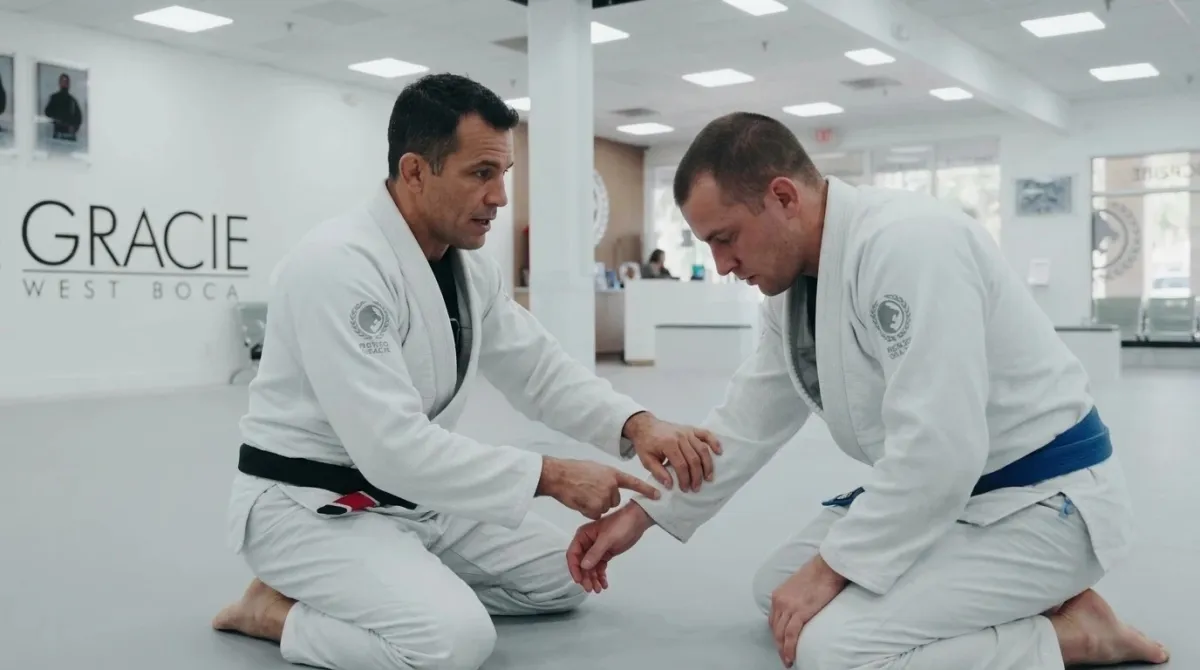
Private lessons are one of the most asked-about topics at our front desk. Is it worth paying for one-on-one time when the group classes are already available? The honest answer is: sometimes yes, sometimes no. This guide explains how to decide, and how to make a private session count if you choose one.
What are private jiu-jitsu lessons?
A private lesson is a one-on-one session with an instructor, scheduled just for you. Instead of following the group plan, the lesson is shaped around your needs, questions and pace. You have the instructor's full attention for the whole session.
Sessions can cover almost anything: basic movements for a nervous beginner, a particular technique you keep forgetting, preparation for a tournament or a plan for returning after time off. The format is flexible, which is its main strength.
Our private lessons page describes the options and how to book them. For rates and availability, please check it or contact the team, because those details can change.
Who benefits most from private lessons?
Private lessons help most when a student needs something that the group class cannot provide. That can include a beginner who feels shy about starting in a group, a busy adult with limited schedule flexibility, a student with a particular goal or a child who needs extra comfort.
Here are common situations where students find them valuable:
- Feeling nervous about a first group class and wanting to learn the basics privately.
- Preparing for a belt promotion or a tournament.
- Working on a technique that keeps failing in live rounds.
- Returning after an injury or a long break, with a careful plan.
- Wanting a custom focus, such as self-defense or conditioning.
If none of these describe you, group classes may give you everything you need for now.
What does a typical private lesson look like?
A typical private lesson begins with a brief conversation about your goal and any injuries. The instructor then warms you up, teaches or reviews techniques, and lets you practice with feedback. Many lessons end with a little guided live work, so you can feel how the idea works with resistance.
Because the instructor sees every repetition, corrections come quickly. A small change in your hand position or hip angle can be fixed in seconds instead of hours. That attention is the real value of the format.
At the end, a good instructor will tell you what to practice and what to focus on in your next group class, so the lesson connects with the rest of your training.
How do private lessons compare with group classes?
Private lessons give you personal attention, while group classes give you partners, variety and the energy of a room. Jiu-jitsu is a social art. You need to practice against different bodies and styles to develop timing, and a private lesson cannot fully replace that.
Think of private lessons as a tutor and group classes as school. The tutor helps you understand and fix; the class lets you practice and test. Most students who use both get the best of each.
If you are new, our guide to the first BJJ class shows what group sessions look like, so you can decide how to mix them.
What does it cost, and how do you judge the value?
Private lessons usually cost more per hour than group classes, because you have the instructor's undivided time. We do not publish prices inside this article, because rates can change, so please see the pricing page or ask the team for current information.
To judge the value, ask what problem you are trying to solve. If a single session removes weeks of confusion, it may be a bargain. If you are hoping private lessons will replace consistent practice, you may be disappointed. Skill comes from repetition over time.
A good approach is to try one session, see what you learn and decide whether a few more make sense. There is no need to buy a large package up front.
How can you get the most from a private lesson?
Prepare before you arrive. Write down two or three questions or problems you want to solve. Watch a class if you can, and note where you feel stuck. The more specific your goal, the more useful the session.
During the lesson, ask questions and say when something is unclear. Record notes afterward, because details fade fast. Many students keep a small training journal for this reason.
Afterward, practice the material in your regular classes. Tell your group partners what you are working on, and ask for gentle resistance so you can test it. Lessons that are not followed by practice rarely stick.
Are private lessons good for kids and families?
For some children, a few private lessons can build comfort before joining a group. A shy child may need time with the instructor first, and a child with special needs may benefit from a calm, one-on-one introduction. Others do better jumping straight into a class.
Parents can also learn alongside their children or schedule a lesson for themselves. We keep adults and children in their own classes, and private sessions follow the same respect for ages and comfort.
If you are not sure what suits your child, read our article on jiu-jitsu for shy kids or ask the team about private lessons.
What are the downsides of private lessons?
The main downsides are cost, the lack of live variety and the risk of relying on the instructor instead of practicing independently. A private lesson cannot give you the experience of rolling with different bodies, which is where timing and adaptability develop. It also costs more per hour, so it is wise to use it intentionally.
Another risk is chasing too many techniques at once. A student who books a lesson every week and asks for something new each time may collect moves without mastering any. A good instructor will steer you toward depth, but it helps to arrive with that mindset yourself.
Finally, private lessons cannot replace patience. Jiu-jitsu skill takes time, and no session can compress months of repetition into an hour. Use lessons to speed up understanding, then give yourself time to practice.
How do you choose the right instructor for a private lesson?
Choose an instructor whose teaching style matches how you learn. Some people like detailed explanations, and others prefer to feel the movement first. Ask how the instructor structures lessons, how they handle beginners and how they adapt to injuries or limitations.
You can meet our team on the instructors page, where Master André Araújo and the staff are introduced. Meeting the person who will teach you, even briefly in a group class, helps you feel comfortable before you book.
Trust your instincts. The right instructor makes you feel challenged but safe, and leaves you with something clear to practice.
How do you track whether private lessons are working?
Set a simple measure before you begin. It could be a technique you want to land in class, a position you want to escape confidently or a goal such as feeling comfortable at your first tournament. After a few sessions, review whether you have moved closer.
Ask the instructor for honest feedback and a plan. If you feel stuck in the same place after several lessons, discuss changing the focus. Good instructors welcome that conversation, because the goal is your progress, not filling a calendar.
How do you book a private lesson in Boca Raton?
Start with the private lessons page or send a message through the contact page. Tell us your experience, your goal and any limits, and we will help match you with a session. If you are still deciding, try a group class first with our free trial.
You can reserve that through the free trial page. Often a trial class makes it easier to know whether private work is useful for you.
Preguntas frecuentes
Do I need private lessons to start jiu-jitsu?
No. Most beginners start in group classes, which are designed for newcomers. Private lessons are an optional extra for people who want more individual attention.
How many private lessons should I take?
It depends on your goal. Some students take one session to fix a problem, while others schedule a few over several weeks. Start small and review your progress with the instructor.
Can private lessons help me prepare for a tournament?
They can help you refine specific techniques and strategy. They work best alongside group training, where you test your skills against different partners.
Can a parent and child share a private lesson?
Ask the team about the best way to arrange this. Our priority is that each person feels comfortable and trains in a suitable setting for their age.

 Spanish